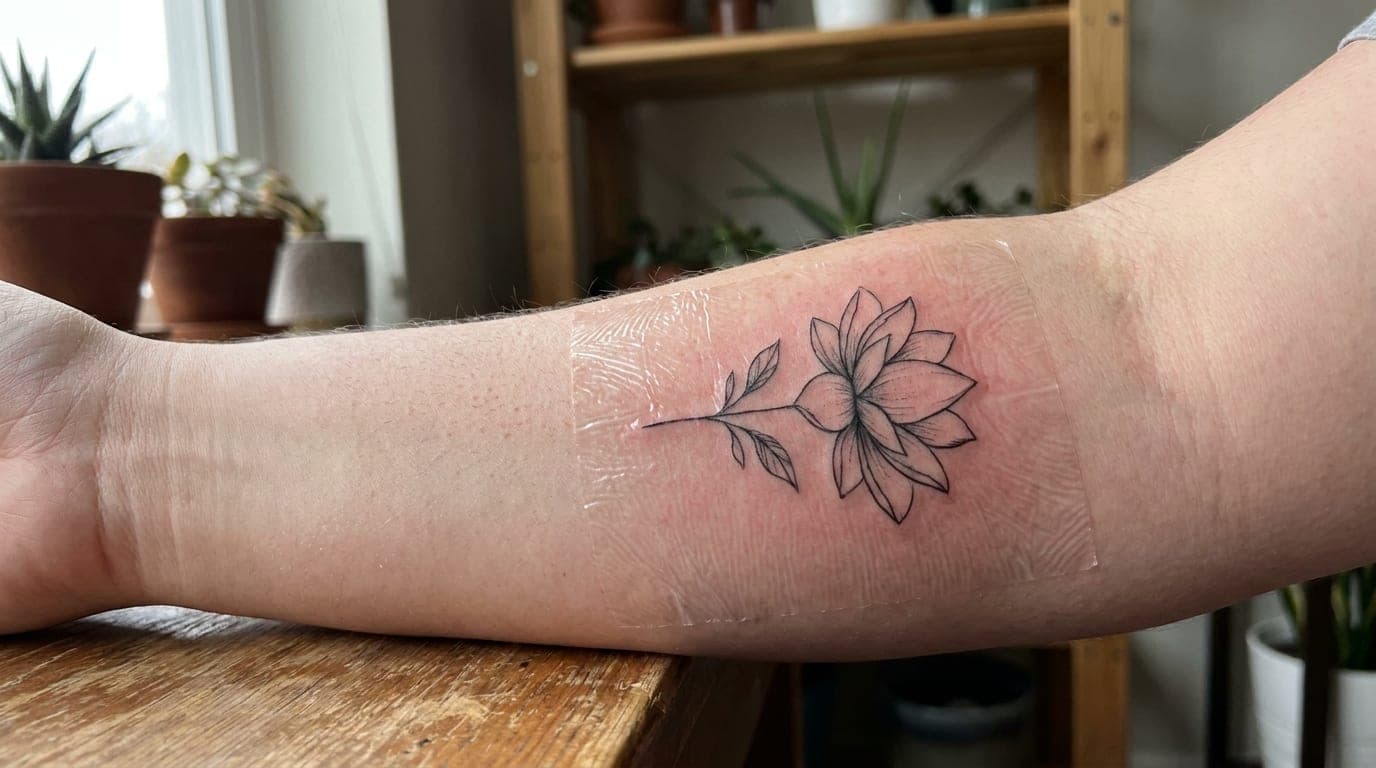
Quick answer
Most tattoos look healed on the surface in 2 to 4 weeks, and Health New Zealand puts complete healing at about 2 to 6 weeks. The deeper layers of skin keep repairing for several months, up to a year. Large pieces, colour work and tattoos on areas that bend or rub take longer.
A new tattoo is an open wound, and it heals the way any wound does: in stages, from the outside in. That is why a tattoo can look finished after a fortnight while the skin underneath is still rebuilding. Knowing which stage you are in tells you what is normal, what to leave alone, and when it is safe to get back to swimming, the gym and the sun. For the day-by-day care routine itself, see our tattoo aftercare guide.
Tattoo healing timeline at a glance
| Stage | When | What you will see | What to do |
|---|---|---|---|
| 1. Fresh wound | Days 1 to 3 | Redness, swelling, warmth and tenderness. Clear fluid and excess ink seeping from the skin. | Keep the wrap on as long as your artist advised, then wash gently and apply a thin layer of balm. |
| 2. Scabbing and peeling | Days 4 to 14 | Light scabs, flaking and itching, a lot like a peeling sunburn. | Do not pick, scratch or peel. Moisturise lightly and wear loose clothing. |
| 3. Surface closing | Weeks 2 to 4 | Flaking finishes. The tattoo can look cloudy, dull or slightly shiny. | Keep it out of the sun and out of baths, pools and the sea. |
| 4. Deep healing | Month 1 to a year | Looks healed. Colours settle and sharpen as the skin underneath keeps repairing. | Sunscreen (SPF 30+) once fully healed. Touch-ups once the skin has settled. |
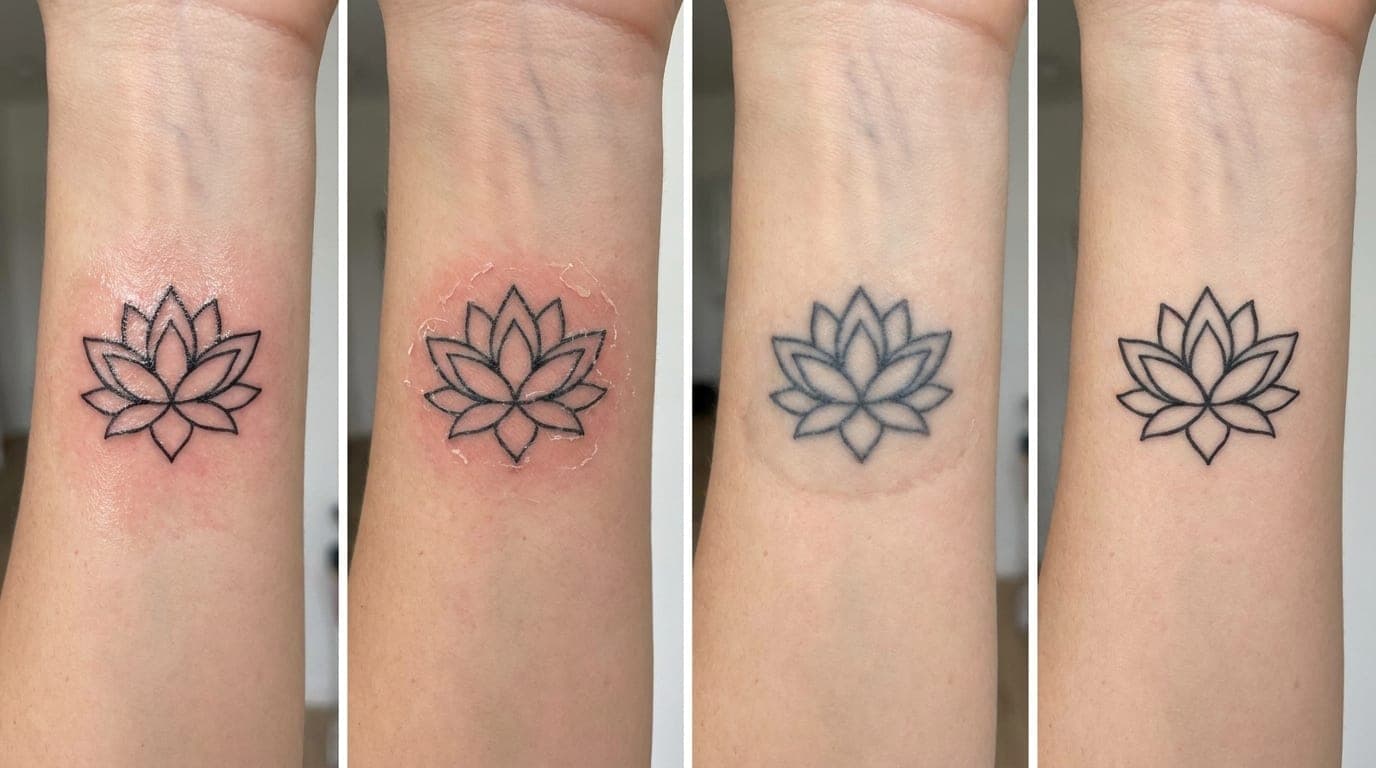
The four stages of tattoo healing
Stage 1: The fresh wound (days 1 to 3)
For the first few days your body treats the tattoo like any other injury. Redness, swelling, warmth and soreness are normal, and so is clear fluid mixed with excess ink coming to the surface. Healthline describes this inflammation phase as lasting up to about 10 days. It should ease steadily, not build.
This is when the tattoo is most open to infection, so clean hands and a gentle wash with lukewarm water and fragrance-free soap matter most. Pat it dry with a clean paper towel, never rub, and apply a thin layer of the balm your artist recommends.
Stage 2: Scabbing, peeling and itching (days 4 to 14)
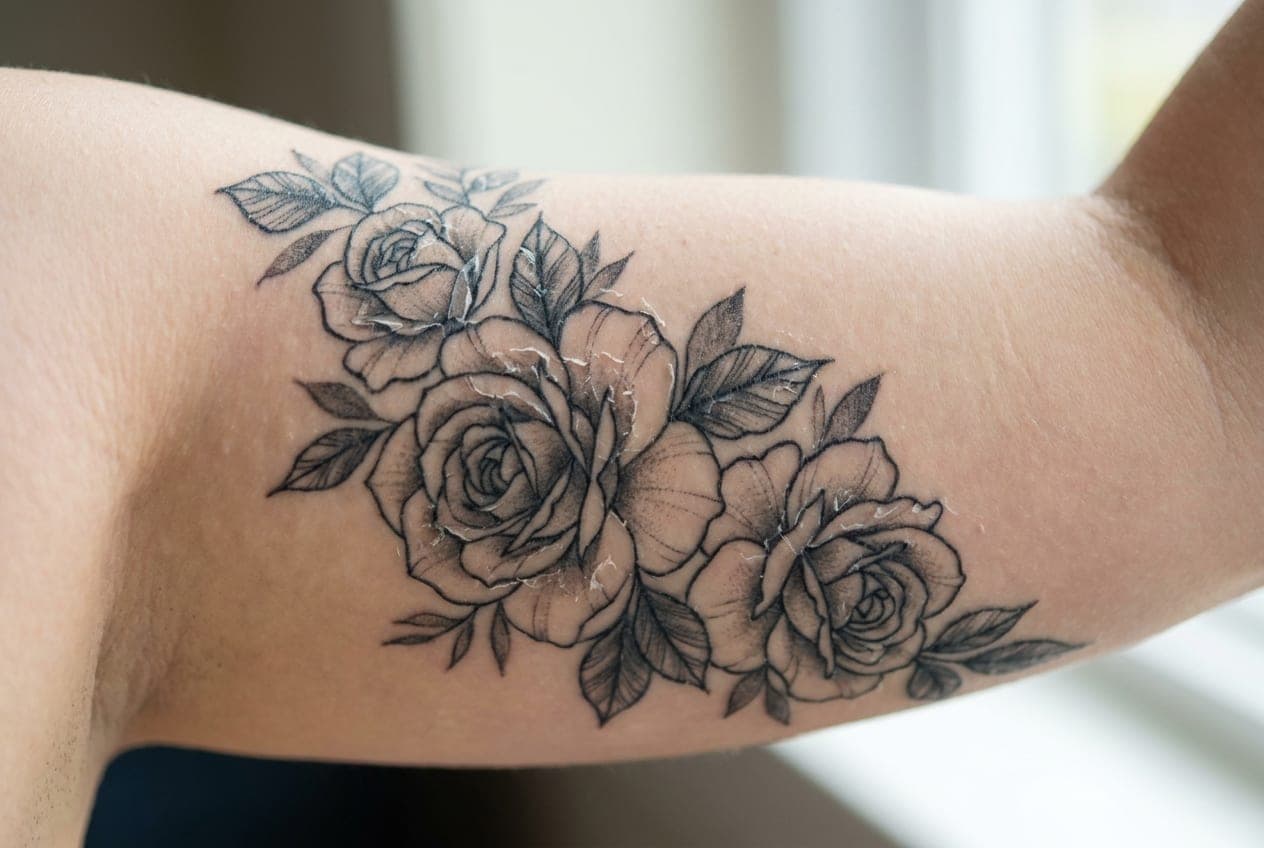
Within a few days the surface starts to dry out. Light scabs form over heavier work, and the skin flakes and peels much like a sunburn. Medical News Today notes peeling can begin just a few days after the tattoo. Itching is the hardest part of this stage, and the most important one to ride out.
- Do not pick or peel. Lifting a scab early can pull ink out with it and leave a patchy spot.
- Do not scratch. Health New Zealand advises avoiding scratching and keeping your nails short.
- Moisturise lightly, once or twice a day. A thin layer is all it needs.
- Wear loose, breathable clothing so nothing rubs against the area.
Stage 3: The surface closes (weeks 2 to 4)
By the end of week two most of the flaking is done, and by week three or four the outer layer of skin has usually closed over. Healthline puts surface healing at 2 to 3 weeks. Do not worry if the tattoo looks cloudy, milky or duller than the day you got it. It is part of normal healing while the new surface skin forms, and it clears as the skin matures.
Looking healed is not the same as being healed. Until the surface is smooth all over, with no scabs, flakes or shiny patches, keep the tattoo out of the sun and out of water other than a quick wash.
Stage 4: Deep healing (month 1 to a year)
Once the surface has closed, the work moves underneath. The skin below the tattoo keeps rebuilding and settling for months. Medical News Today describes this as several months, and Healthline says the remodelling can continue for up to a year. During this time colours sharpen and settle, and the tattoo takes on the look it will have for years. Treat it gently, and protect it from the sun every time it is out.
What affects how long your tattoo takes to heal
| Factor | Why it matters |
|---|---|
| Size | A larger tattoo is a larger wound. Sleeves and back pieces take longer than a small piece, and are usually done over several sessions. |
| Placement | Areas that bend, stretch or rub, like joints, hands, feet and ribs, heal more slowly because the skin keeps moving. |
| Colour and saturation | Densely packed colour work means more work in the skin. Medical News Today notes red pigments are more likely to cause delayed reactions. |
| Aftercare | Picking, over-washing, heavy moisturiser, soaking and sun all slow healing. Good aftercare is the part you control. |
| Infection | An infection stops normal healing and needs a doctor. See the warning signs below. |
Normal healing or a sign of a problem?
The key is direction. Normal healing gets a little better every day. A problem gets worse, or does not improve after the first week. Medical News Today advises having ongoing soreness or swelling in the second week checked.
| Normal while healing | Get it checked |
|---|---|
| Redness and swelling that ease over the first few days | Redness, soreness or swelling that is increasing, or spreading beyond the tattoo |
| Clear fluid and excess ink in the first day or two | Pus, or yellow or green discharge |
| Itching, flaking and light scabs | A rash, boils or open sores |
| A cloudy or dull look in weeks 2 to 4 | Fever, feeling very hot or cold, or diarrhoea |
| Mild tenderness when touched | Pain that gets worse instead of better |
If you notice any of the signs on the right, contact your doctor. You can also call Healthline free on 0800 611 116, any time of day, to talk to a nurse. In an emergency, call 111. And please let us know too, so we can help.
When can I swim, exercise or go in the sun?
| Activity | When | Why |
|---|---|---|
| Shower | From the first wash, kept short | Washing is fine. Health New Zealand advises keeping a healing tattoo out of water otherwise. |
| Swimming, baths, hot tubs, saunas | Only once fully healed, usually at least 2 to 4 weeks | Medical News Today advises against submerging a tattoo until it has healed. |
| Sun | Keep it covered until healed | Health New Zealand advises keeping a healing tattoo out of sunlight. |
| Sunscreen | Once fully healed | Cover the tattoo until the skin has closed, then use a broad-spectrum SPF 30 or higher. |
| Gym and exercise | Light activity after a few days | Avoid heavy sweating and anything that stretches or rubs the area for about a week, longer for large pieces. |
| Touch-up | Once the skin has fully settled | Ask your artist about timing, and whether a touch-up is included. |
How to help your tattoo heal well
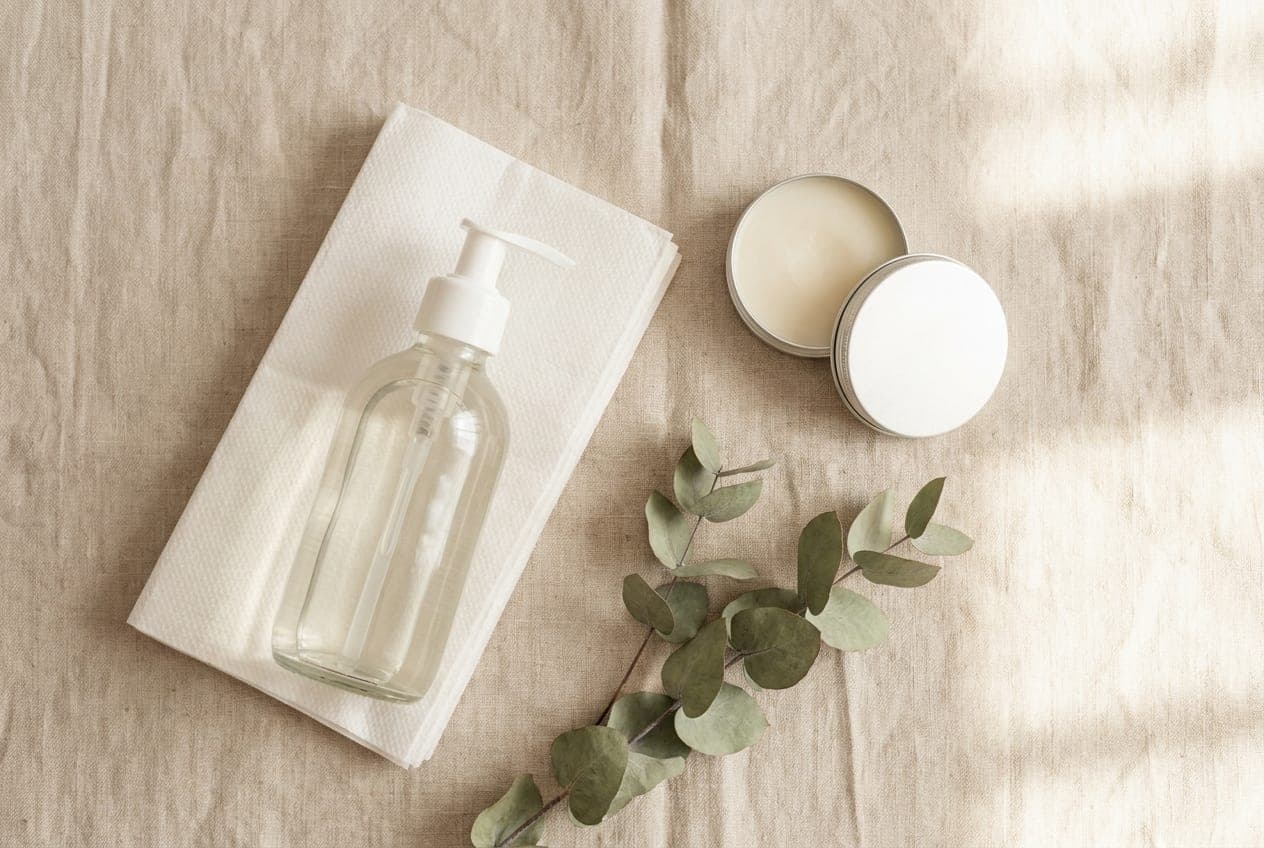
- Follow your artist's wrap instructions, usually 2 to 4 hours.
- Wash gently 1 to 2 times a day with lukewarm water and fragrance-free soap, and after sweating.
- Pat dry with a clean paper towel. Never rub.
- Apply a thin layer of fragrance-free balm or moisturiser.
- Leave scabs and flakes alone, however itchy.
- Keep it out of the sun, and out of baths, pools and the sea, until it is fully healed.
- Sleep on clean sheets and wear loose clothing over the area.
Our aftercare guide goes through each stage in more detail, including what to avoid and the energetic side of aftercare. If you are still getting ready for your first tattoo, start with how to prepare for your first tattoo.
Healing a tattoo from The Wild Lotus
Every session at our Palmerston North studio ends with aftercare guidance for your piece, and we are here for questions for as long as it takes to heal. If something does not look right, message us through our contact page and we will help you work out what is normal. Thinking about your next piece? Browse our tattoo portfolio, see our tattoo and Reiki services, or read our tattoo FAQs.
Frequently Asked Questions
How long does a tattoo take to heal fully?
The surface of a tattoo usually heals in 2 to 4 weeks, and Health New Zealand puts complete healing at about 2 to 6 weeks. The skin underneath keeps repairing for several months, and Healthline says that can take up to a year. Large pieces and areas that bend or rub take longest.
When does a new tattoo stop peeling?
Peeling usually starts a few days after your tattoo and is mostly finished by the end of the second week. Large or heavily coloured pieces can flake for a little longer. Let the flakes come away on their own, because peeling them early can pull ink out and leave patchy spots.
Why does my new tattoo look cloudy or faded?
A cloudy, milky or dull look in weeks 2 to 4 is normal. It happens while the new surface skin forms over the ink, and it is part of normal healing, not a sign the ink has gone. It clears gradually as the skin matures and the colours settle over the following weeks.
Is it normal for a new tattoo to ooze?
Yes, in the first day or two. A new tattoo seeps clear fluid mixed with some excess ink, and this is part of normal healing. It should slow quickly. Thick yellow or green discharge, or pus, is not normal and is a sign to contact your doctor.
How long after a tattoo can I swim?
Wait until the tattoo is fully healed, with no scabs, flakes or shiny patches, which is usually at least 2 to 4 weeks and longer for large pieces. Health New Zealand advises keeping a healing tattoo out of water except when washing, so quick showers are fine but pools, the sea and baths are not.
When can I put sunscreen on a new tattoo?
Only once the tattoo has fully healed. Until then, keep it covered and out of the sun, as Health New Zealand advises. After healing, use a broad-spectrum SPF 30 or higher whenever the tattoo is exposed, because sun fades tattoo ink over time.
How do I know if my tattoo is infected?
Signs include redness, soreness or swelling that keeps increasing, pus, a rash or boils, and fever or feeling very hot or cold. Normal healing improves each day, while infection gets worse. Contact your doctor, or call Healthline free on 0800 611 116 at any time.
Sources
- Health New Zealand | Te Whatu Ora: Tattoos
- Health New Zealand: Healthline
- Healthline: How long does a tattoo take to heal? (medically reviewed, updated March 2026)
- Medical News Today: How long does it take for a tattoo to heal? (medically reviewed)
General information only, not medical advice. If you are worried about your healing, contact your doctor or call Healthline free on 0800 611 116, any time.